
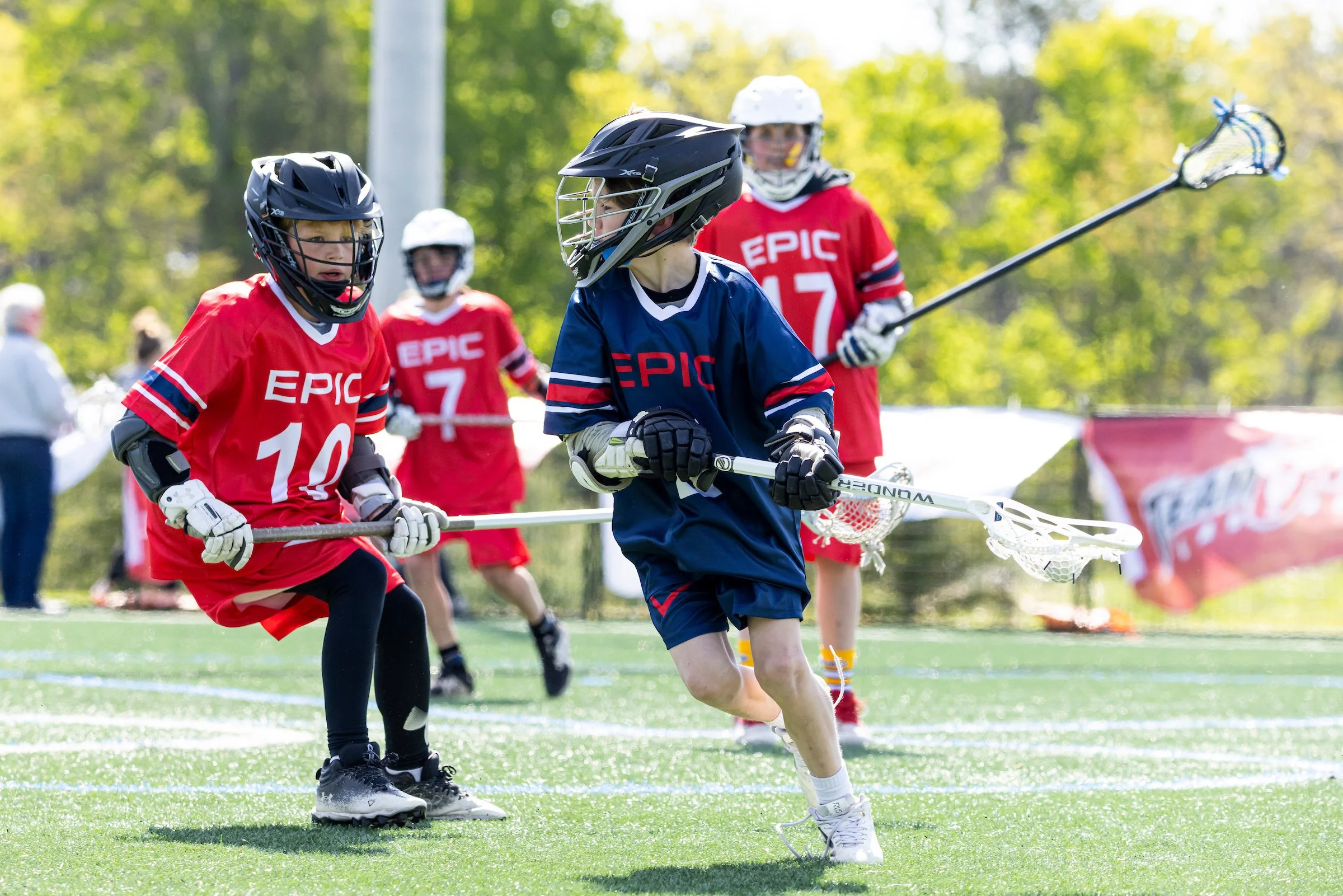
The Athlete Journey
The Athlete Pathway
Known as the fastest game on two feet, lacrosse is a sport where multi-sport athletes thrive — building skills that transfer across every sport they play. With programs for both boys and girls, it is also among the earliest organized sports children can participate in.
Getting started in lacrosse is easy — and every step of the journey helps young athletes grow.
As players develop, so do their opportunities — from playing within their community to advancing through competitive leagues and high-performance programs across Ontario.
No matter where you begin, there’s a place for you in the game.
1. JOIN ONTARIO LACROSSE
2. EXPERIENCE THE GAME
3. Play for your Community
4. Elevate Through Epic
5. REPRESENT ONTARIO


The Athlete Journey

-
1. Join
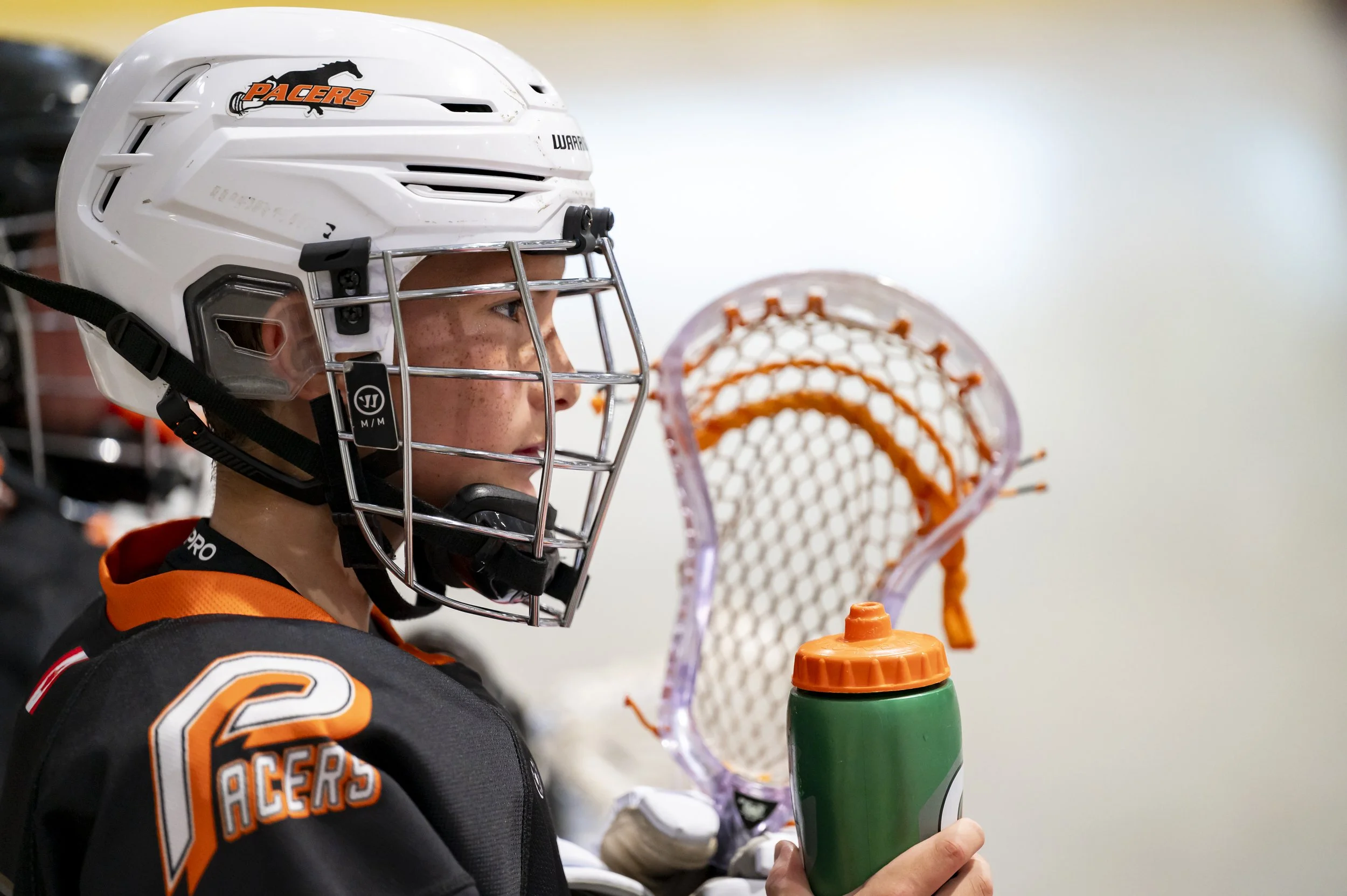
Join Ontario Lacrosse
Become a member of the Ontario Lacrosse Association and gain access to the programs, events, and community that make lacrosse one of Ontario’s fastest-growing sports.
Find a local club in your community and join a team. Players looking to compete at the Rep level must register with their home club, while those wishing to play exclusively in House or Local League programs may register with any club that offers programming.
-
2. Experience
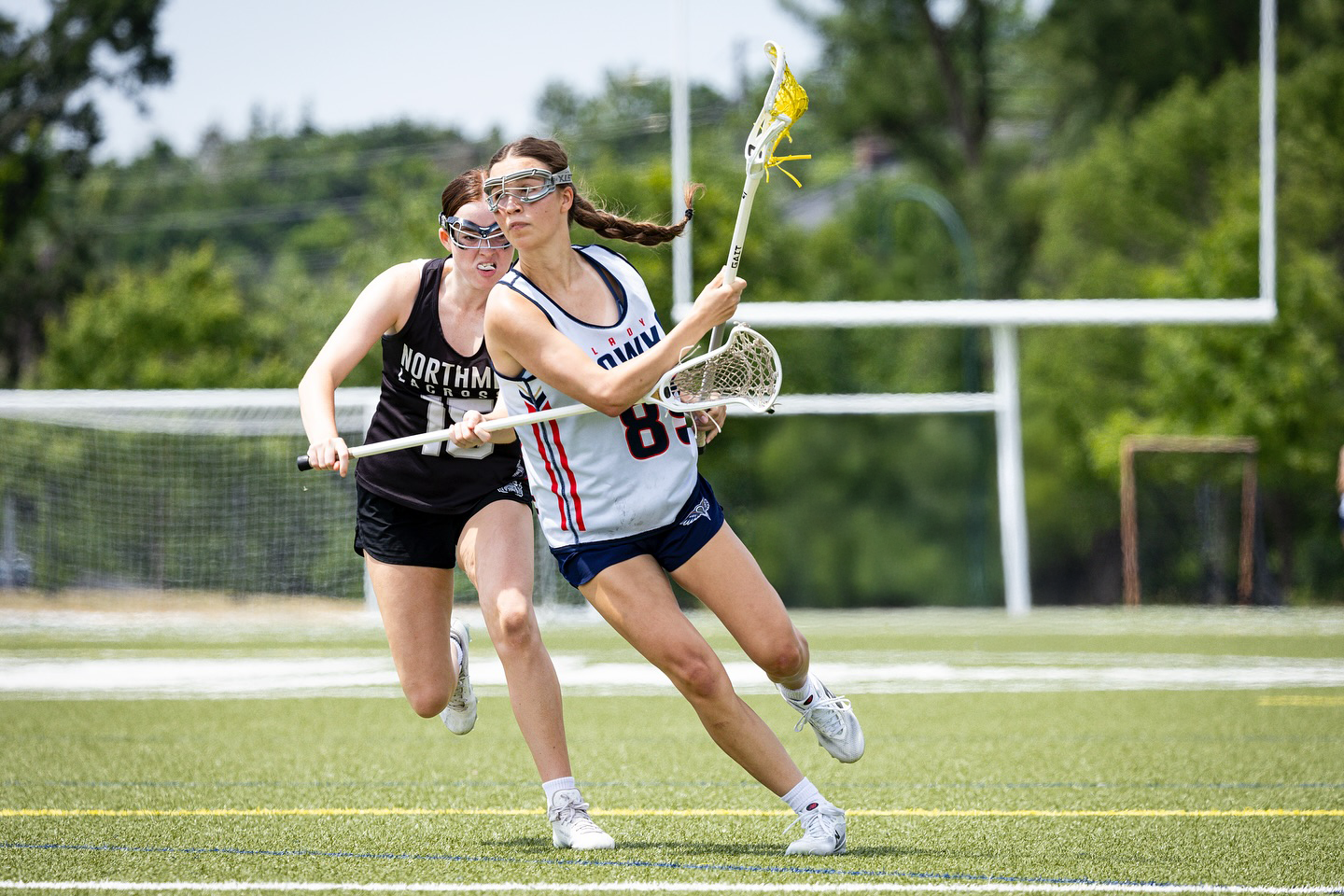
Experience the Game
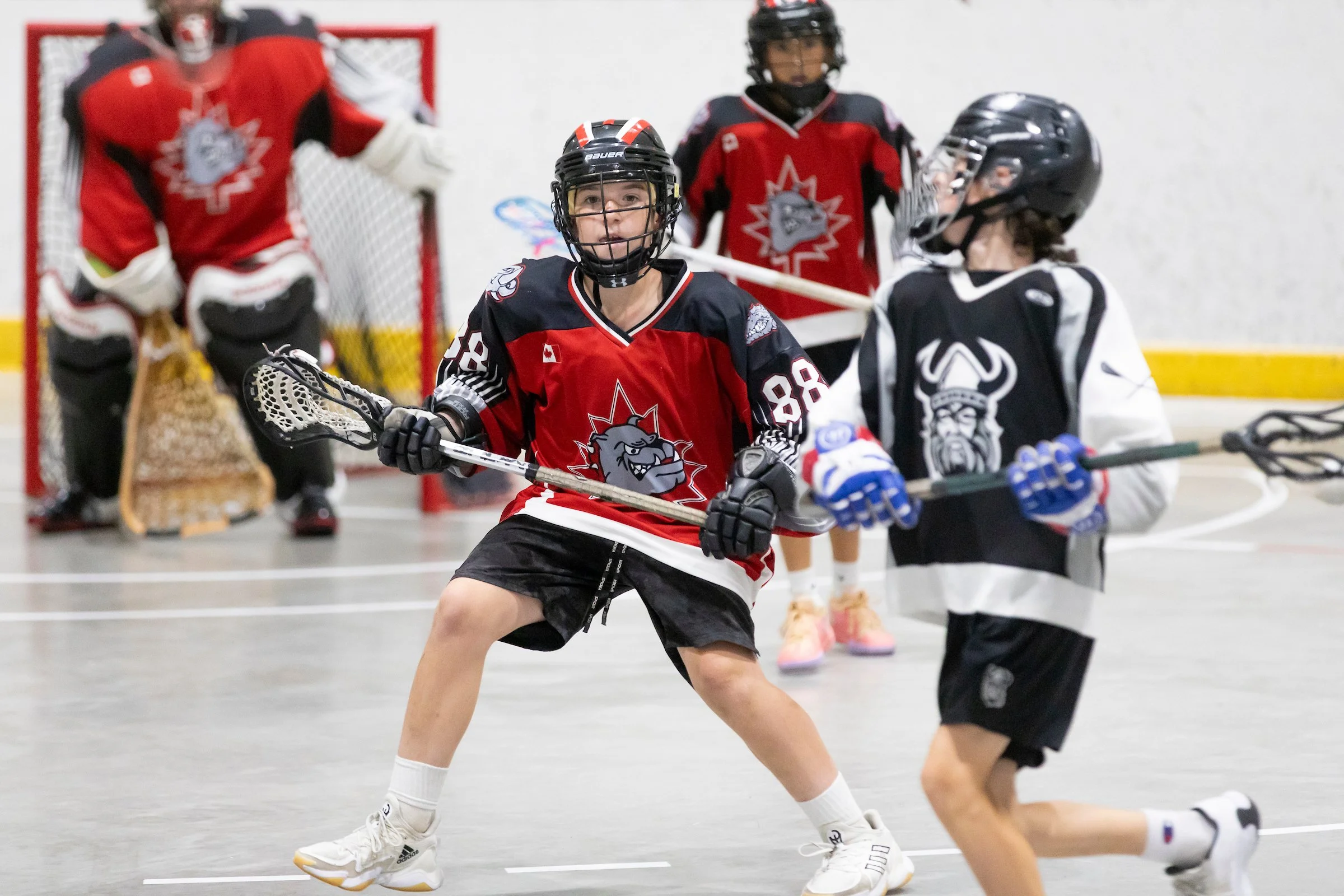
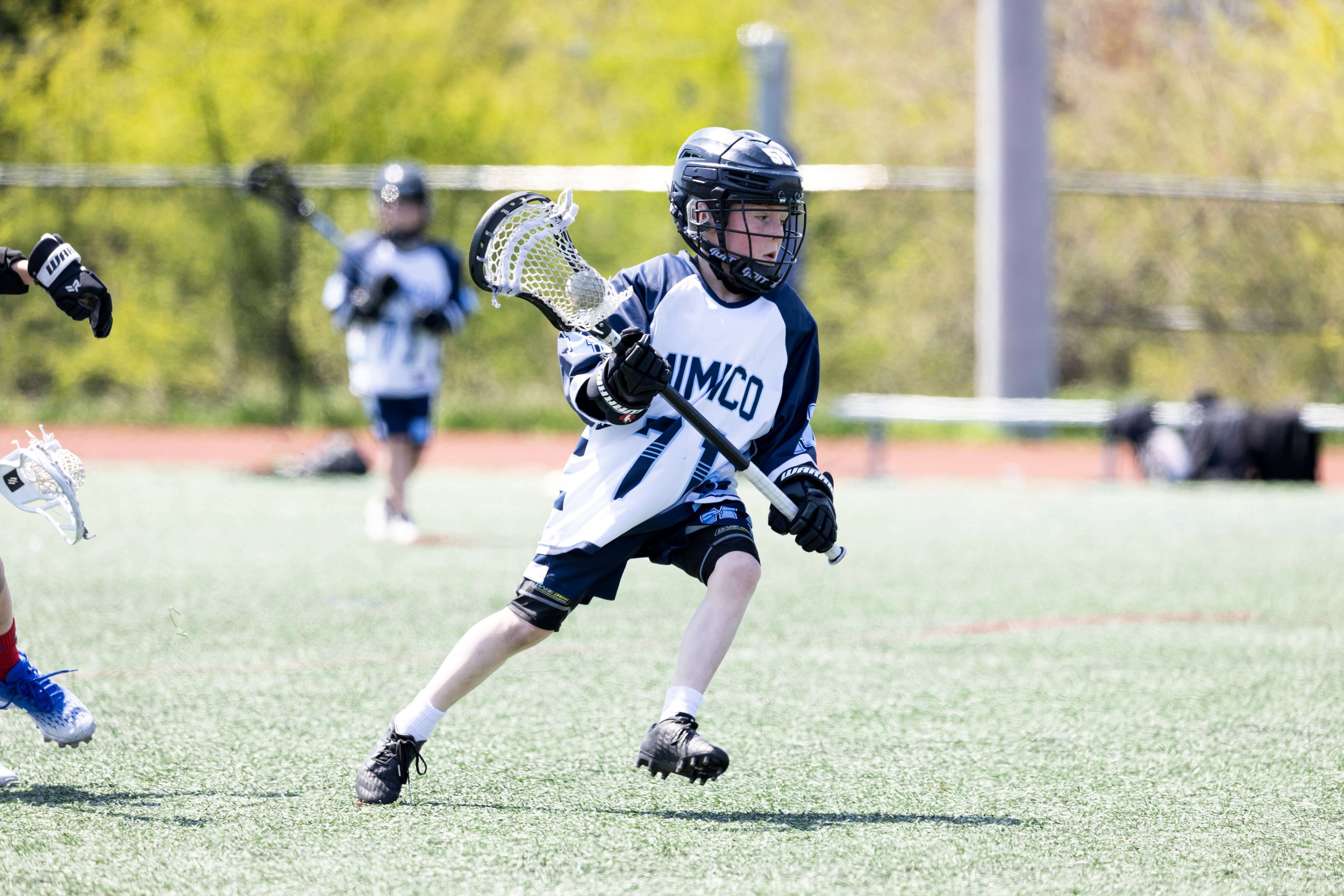
Ontario Lacrosse clubs offer opportunities to play, learn, and develop in box, men’s field, women’s field, and sixes lacrosse. Each version of the game features a unique style of play with its own rules, traditions, and pace. Explore the different versions of lacrosse to find one that best fits you:
Box Lacrosse -

3. Play
Play for Your Community
Represent your club and community in leagues and tournaments across Ontario while growing as an athlete and teammate. Each season concludes with the Ontario Lacrosse Provincial Championships, where Rep teams compete for provincial titles. The Box Lacrosse season culminates at the Ontario Lacrosse Festival, a 10-day celebration of the sport and the largest youth lacrosse event in the world.
-
4. Elevate
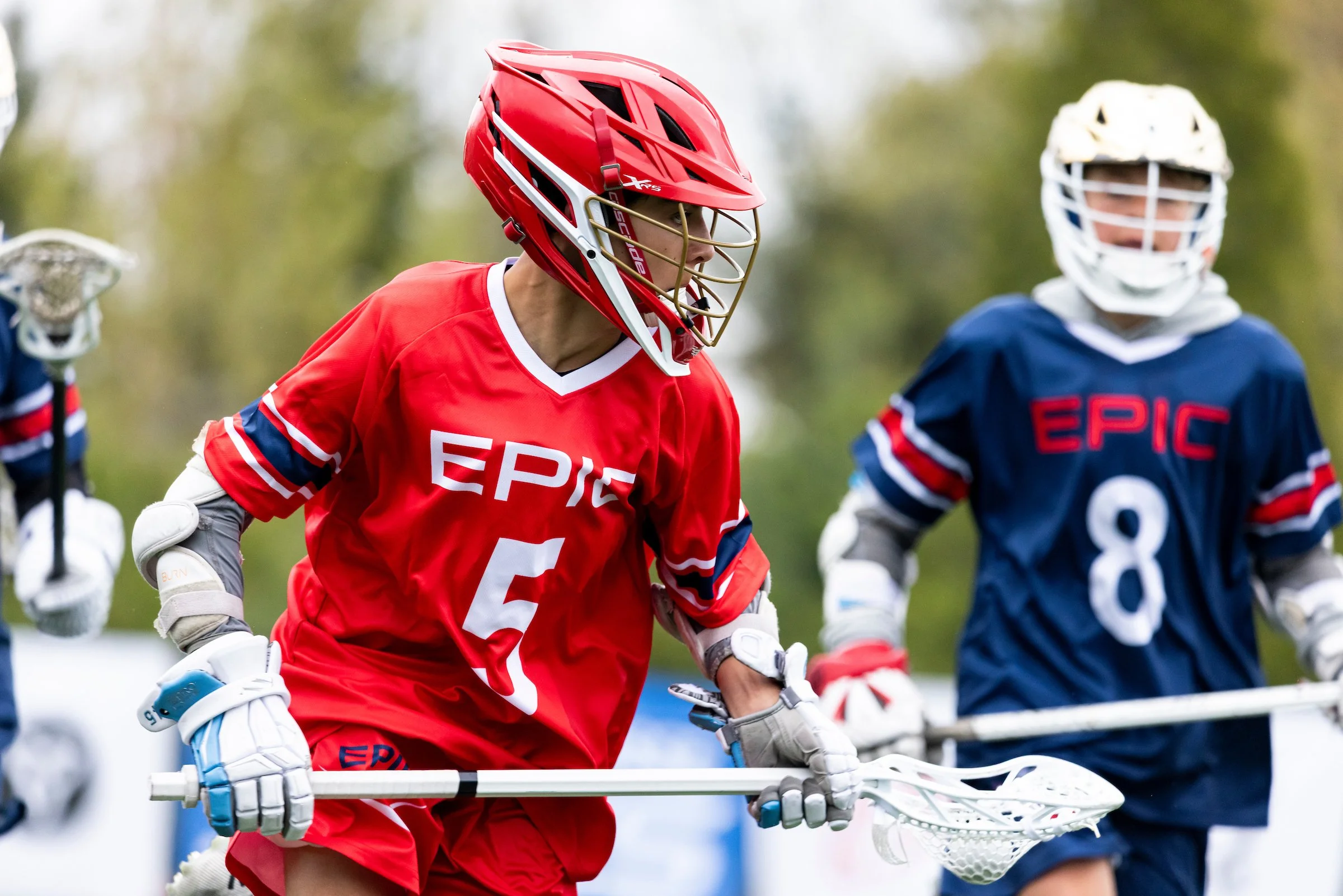
Elevate Through EPIC
Take the next step in your development through the EPIC Lacrosse program, an expanding high-performance pathway of tournaments and camps in Ontario Lacrosse. EPIC events bring together top athletes from across the province for advanced training and elite competition, helping prepare players for Team Ontario opportunities and higher levels of the game. EPIC Lacrosse hosts events annually in box, men’s field, and women’s field lacrosse.
-
5. Represent
Represent Ontario
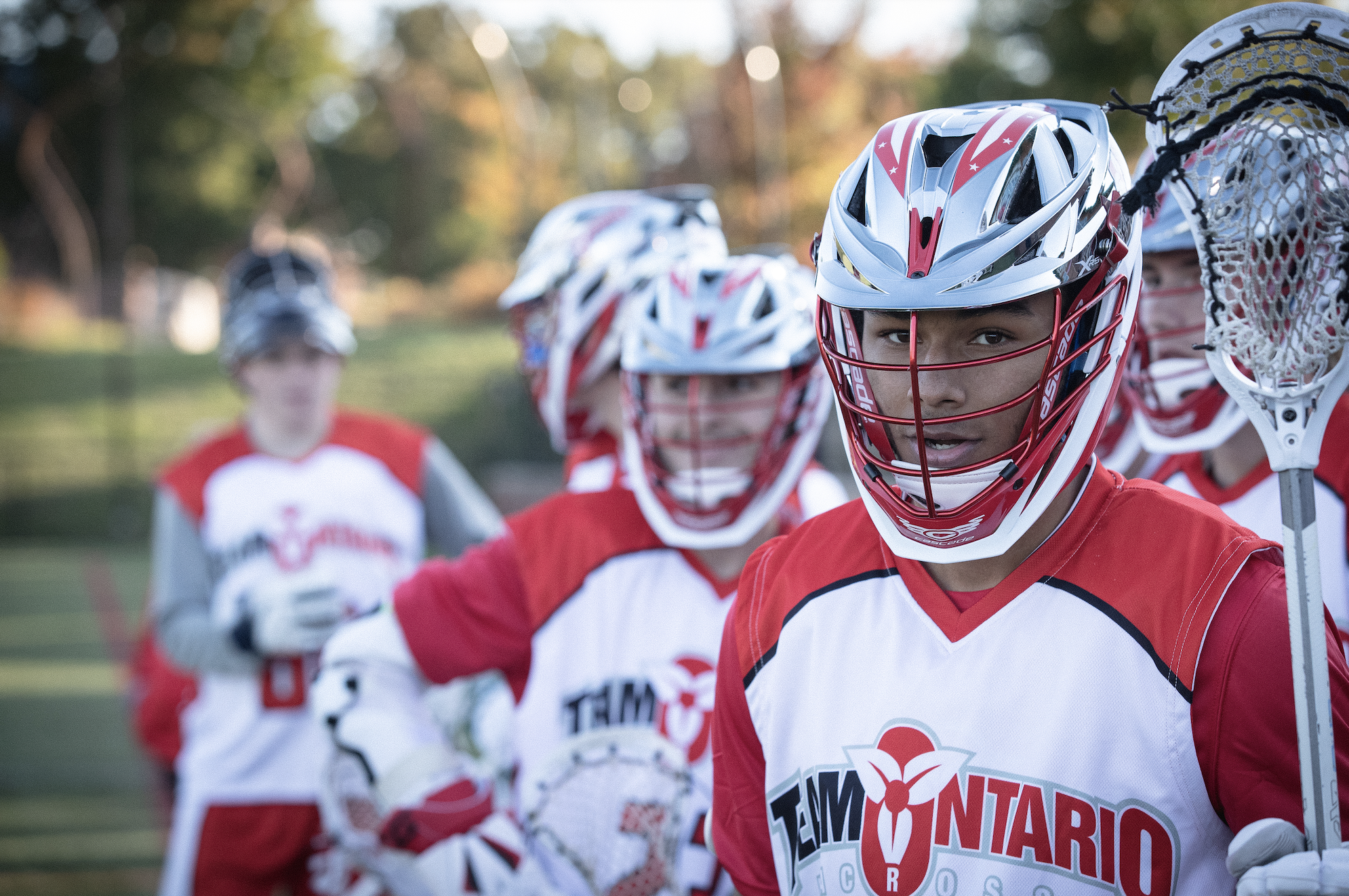
The highest-performing athletes may earn the opportunity to compete for Team Ontario, representing the province at national championships, including the Canada Summer Games, and other premier lacrosse events against the best in the sport. Team Ontario athletes compete in box, men’s field, and women’s field lacrosse.
The Multi-Sport Advantage
Ontario Lacrosse encourages young athletes to play multiple sports. Participating in a variety of sports helps build stronger overall athletic skills, supports physical and mental well-being, and can enhance long-term success in lacrosse.
Research consistently shows that specializing in a single sport too early can increase the risk of injury, burnout, and even dropping out of sport, while many elite athletes played several sports growing up before specializing later in their development.
Olympic Athletes
| Age | Avg. Sport Participation |
|---|---|
| Under 10 | ~3 sports |
| 10-14 | ~3 sports |
| 15-18 | ~2 sports |



Age Division Charts
The Ontario Lacrosse age charts for each sector determines the division of a player according to the year of their birth.
BOX LACROSSE
2026 Box Age Chart .pdf
Men’s Field
2026 M Field Age Chart .pdf
Women’s Field
2026 W Field Age Chart .pdf
Sixes Lacrosse
2026 Sixes Age Chart .pdf
NEW
Frequently Asked Questions
-
We get it—lacrosse can be a little confusing. The sport is divided into four sectors, each with its own rules: Box Lacrosse, Men’s Field Lacrosse, Women’s Field Lacrosse, and the newest Olympic version, Sixes.
Box Lacrosse
Box lacrosse is the indoor version of lacrosse. The game originated here in Canada, where it is the most popular version of the game. There are six players on the floor for each team (5 players and 1 goalie) and is traditionally played in an ice hockey rink once the ice has been removed.
Men’s Field Lacrosse
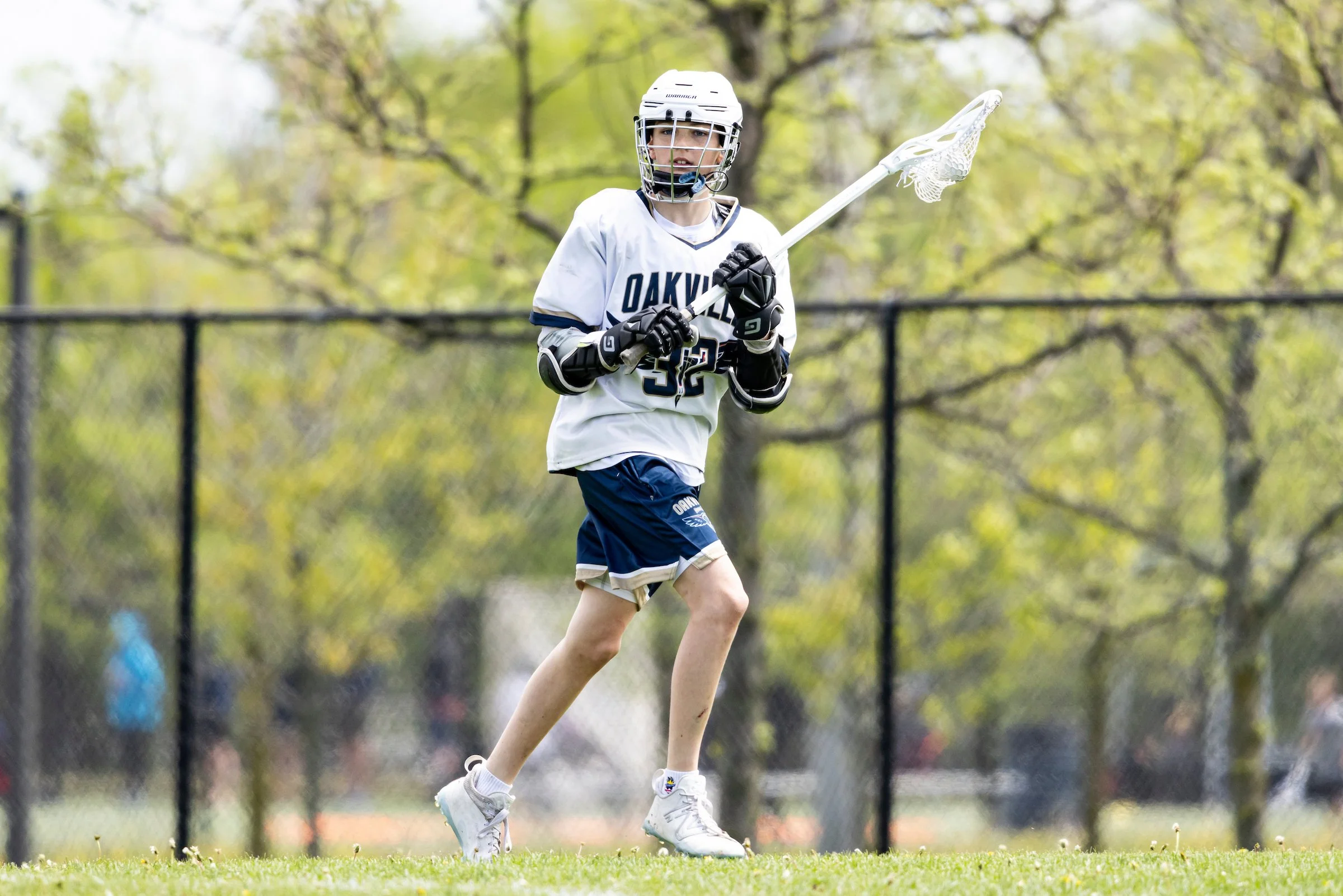
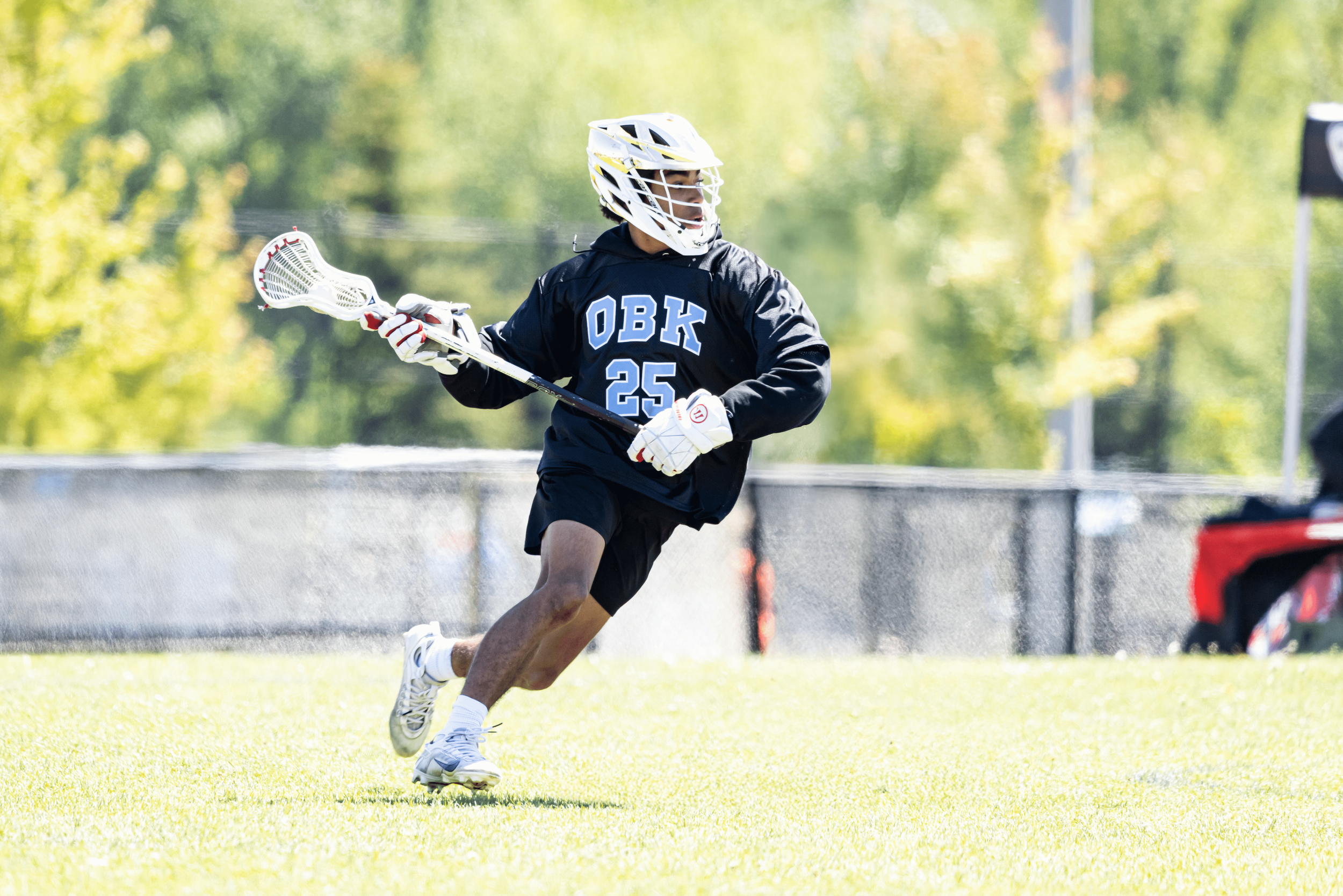
Men’s Field lacrosse is an outdoor version of lacrosse. There are 10 players on the field; 3 attack, 3 midfielders, 3 defence and a goalie. Substitutions are done on the fly, mostly for the midfielders, who play the entire length of the field. The attack will generally remain on the offensive half of the field while the defense (long poles) will remain on the defensive half. Players may exchange positions as long as another player remains in the area as a temporary replacement.
Women’s Field Lacrosse
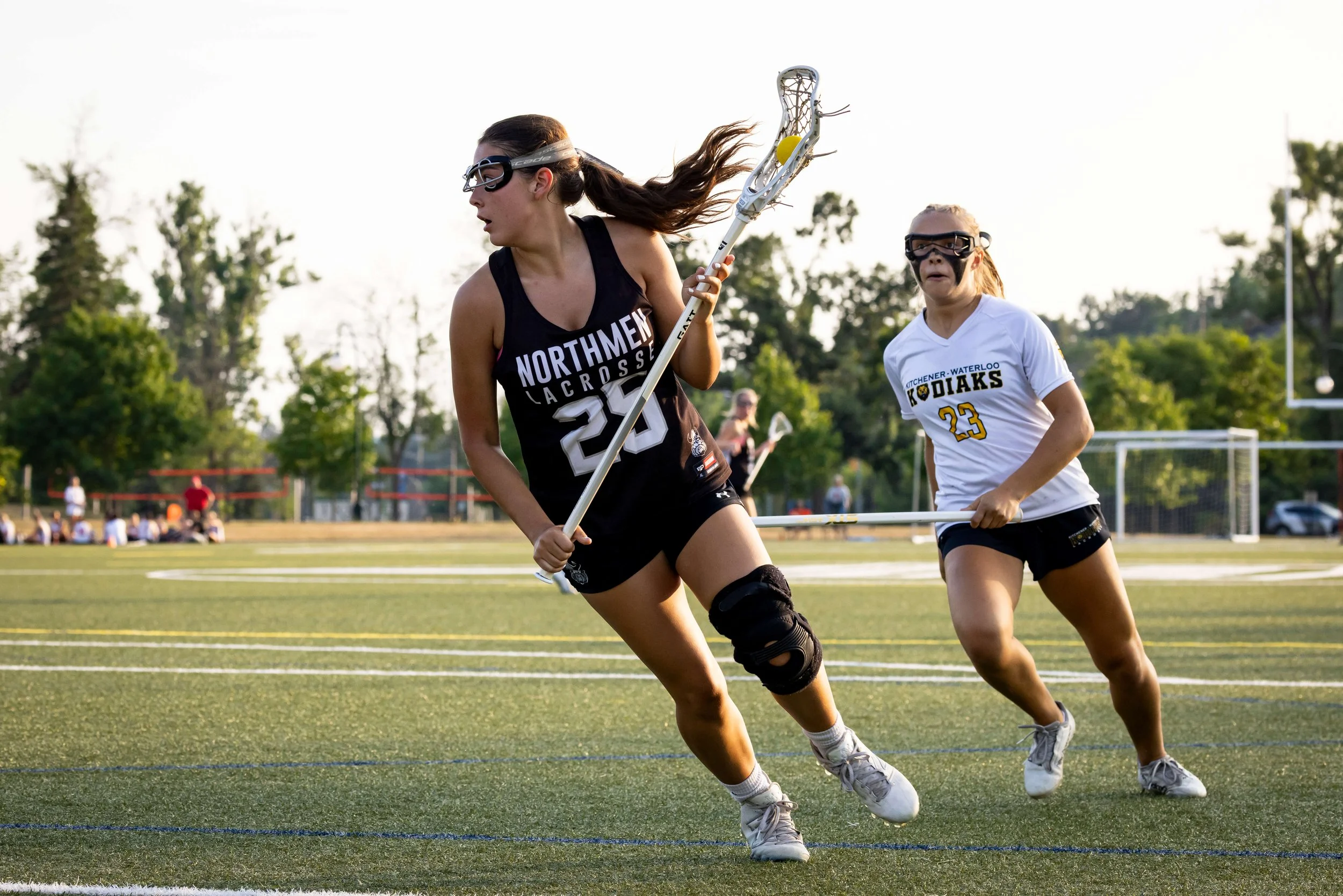
Women's Field Lacrosse is another outdoor version of the sport for women. It was introduced in 1890 in St Andrews, Scotland. The women’s game is played with twelve players on each team and the rules of women's lacrosse differ significantly from Men's Field Lacrosse. There is no body contact. Equipment required to play is also different. The stick has a shallow pocket and is checked before every game and after every goal for conformity to the rules. Women are only required to wear a mouthguard, and protective goggles.
Sixes Lacrosse
Sixes is a fast-paced, modern version of lacrosse played outdoors on a condensed field. Each team has six players on the field—three field players, two midfielders, and a goalie—creating a high-tempo game with constant action. Designed for speed and flow, Sixes features a 30-second shot clock, quick restarts, and continuous transition play. With fewer players and more open space, athletes rely on speed, creativity, efficient stick-work, and quick decision-making. Sixes blends elements of both box and field lacrosse into a streamlined format that is exciting for players and spectators alike and has been selected as the Olympic discipline of lacrosse.
-
Ontario Lacrosse, like many other sports, uses the alpha-numeric “Ux” naming convention across all its programs.
“U” stands for Under and the number is the age your child cannot be to play in that division. That means that a U7 program is for players who have not and will not turn 7-years-old in the current playing year.
Ontario Lacrosse use odd-number age divisions grouped into two-year age cohorts all the way up through minor. In box lacrosse, we start at U5, then U7, U9, U11, U13, U15 and U17. Men’s and Women’s field lacrosse begin and U9. Players are not allowed to play down at younger levels.
To find the exact division for your child based on their birth year, please refer to the OLA Age Division Charts.
-
Lacrosse is considered one of the safest youth sports, with one of the lowest rates of youth injuries—ranking safer than hockey, soccer, football, and basketball—despite the high pace and physical nature of the game. Safety in lacrosse is emphasized through non-contact or modified contact rules in most house league programs, which are designed to protect young players while focusing on skill development.
At the Rep level in Box Lacrosse and Men’s Field Lacrosse, contact is introduced at U9 under strict regulations that prioritize player safety and proper technique. Women’s Field Lacrosse remains a non-contact discipline, focusing on speed, strategy, and skill development.
Lacrosse also places a strong emphasis on education and certification for those involved in the game. Coaches, officials, and trainers are required to complete mandatory certification and training programs to ensure they understand the rules, safety protocols, and best practices for supporting young athletes.
The enforcement of safety rules, the mandatory use of protective equipment, certified coaches and officials, and the promotion of sportsmanship and respect among players all contribute to lacrosse’s strong safety record. As in all sports, proper coaching and adherence to rules are crucial for maintaining a safe and positive environment for all participants.
-
Players participating in house league lacrosse exclusively are able to register with any OLA club of their choice, regardless of where they live. No release required.
Players looking to register for a Rep program must register with their home club. One of the key differences that sets lacrosse apart from other sports is our residential boundary regulations, which are specifically designed to maintain the hometown, community aspect of youth sport.
-
In accordance with OLA MR3.01, minor players may not apply for a release before February 1 of the current year for Men’s Field, or before March 1 of the current year for Box and Women’s Field. The official OLA Release Request Form for the applicable year and sector must be used for all release requests. This form is updated annually and will only be available starting on the dates listed above.
Players must first be registered with their resident OLA Club for the current year before submitting a release request.
If a release is granted, it will only be to the next closest club, as determined by the OLA Boundary Map. The player will then be required to play with that club for the season. A release cannot be used to move beyond that club to another organization.
Players are eligible for one Rep release request per playing season, per sector. Once a release decision has been made, additional requests to move to another club will not be considered.
Release requests may not be submitted later than March 1 of the current year for Men’s Field, April 15 of the current year for Box, and May 15 of the current year for Women’s Field.
OLA Clubs are required to follow all OLA policies and procedures related to Rep releases. No exceptions will be made, and releases will not be granted outside of these rules.
More information
-

Box Lacrosse →
-
Men’s Field →
-
Women’s Field →
-
Sixes Lacrosse →
-
Where Do I Play? →
-

Equipment →
-

Team Ontario →
-

College & Beyond →